By Tim Schaaf
•
September 24, 2026
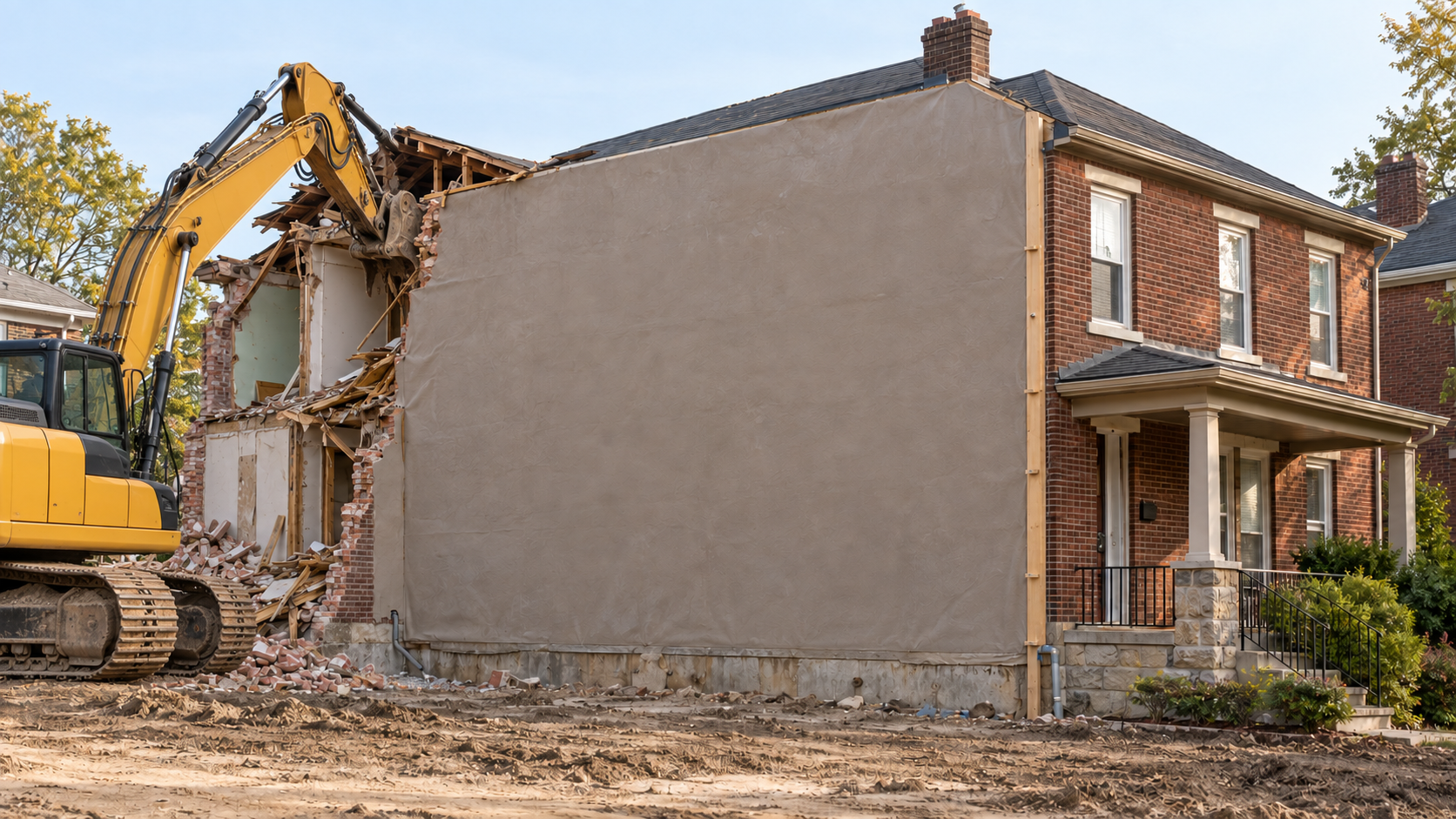
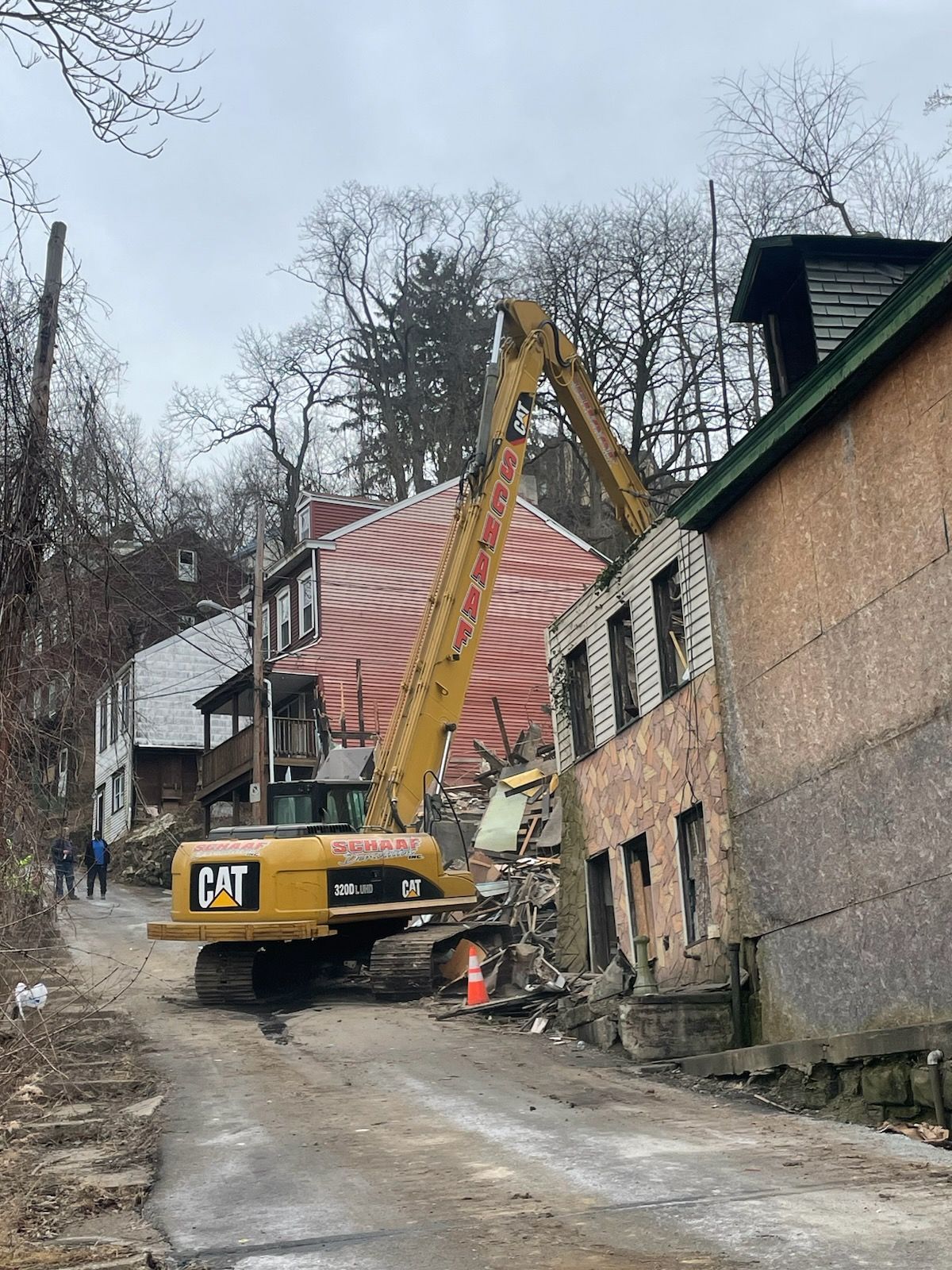
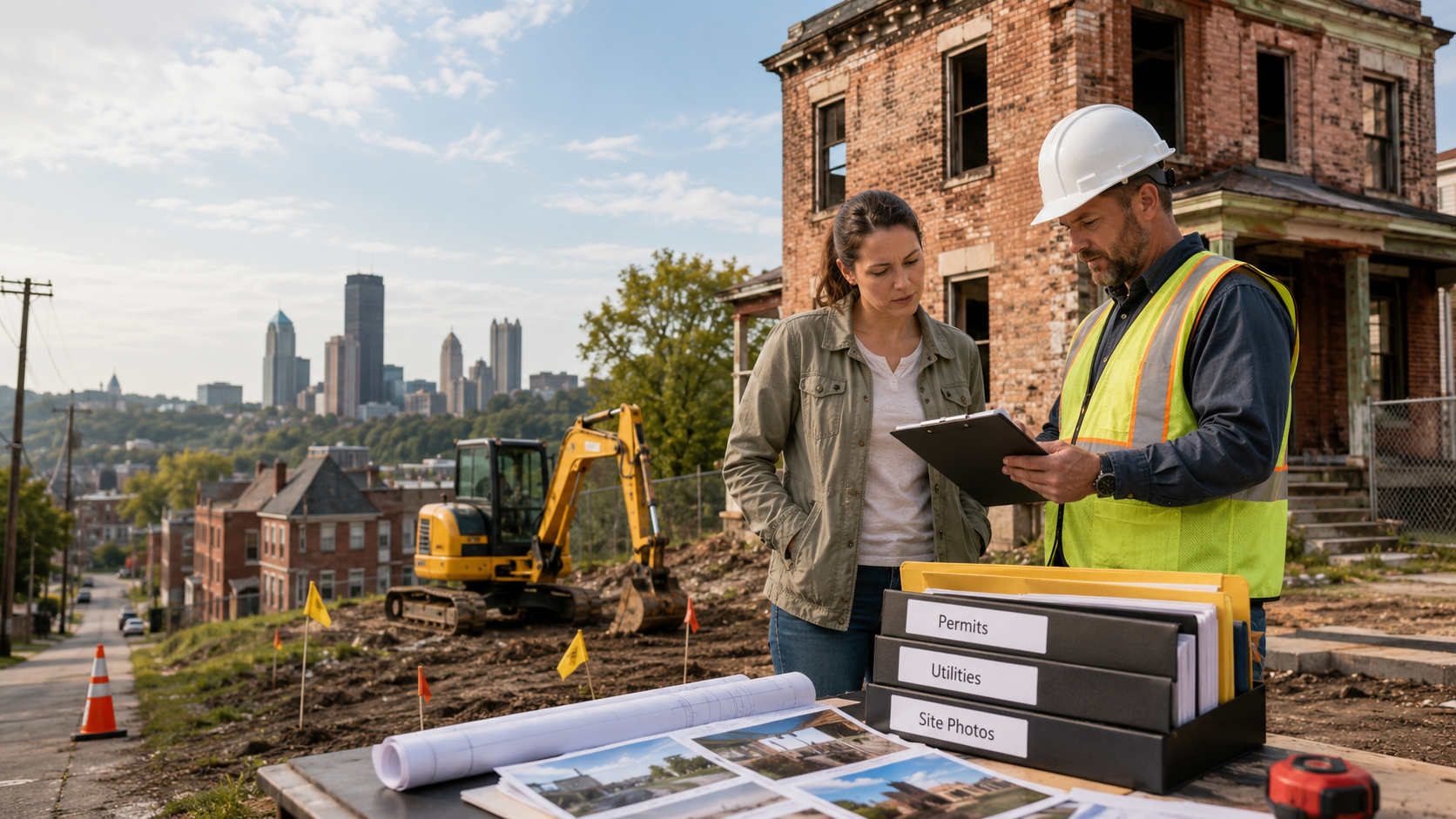
An older Pittsburgh building can look like a straightforward tear-down from the street. In practice, the structure itself is only one part of the demolition plan. Older homes, row houses, commercial buildings, and masonry structures may sit close to neighboring properties, on narrow lots, along steep grades, or near sidewalks, utilities, retaining walls, and active streets. The building may also contain aging materials or structural conditions that cannot be fully understood until the property is evaluated. That is why old building demolition in Pittsburgh often starts with planning rather than equipment . Access, neighboring structures, utilities, permits, environmental requirements, debris handling, and the property's future use can all affect how demolition should proceed. This article provides a practical overview for property owners. It is not a substitute for guidance from municipal officials, engineers, environmental professionals, or other specialists who may be required for a particular project. Why Are Older Pittsburgh Buildings More Complicated to Demolish? The short answer is that the building and the surrounding site often create challenges at the same time. Pittsburgh properties can include brick and masonry construction, narrow side yards, attached buildings, basements, retaining walls, steep grades, alleys, overhead utilities, and limited space for trucks or equipment. A demolition contractor therefore has to evaluate more than the walls and roof. The plan may need to answer several questions before demolition begins: What can equipment safely reach? Where will debris go? Is another building structurally connected? Are utilities properly addressed? What permits or environmental reviews apply? What condition should the site be left in afterward? Those questions matter most when demolishing old houses in Pittsburgh or removing older commercial structures in dense neighborhoods. How Do Shared Walls and Nearby Buildings Affect Demolition? Attached buildings and closely spaced structures require a controlled demolition approach. A row house, for example, may share a party wall with the property next door. Even technically separate buildings can sit close to neighboring foundations, retaining walls, garages, fences, or other improvements. The City of Pittsburgh's demolition permit information specifically recognizes work involving party-wall structures and adjacent-structure repair. That is one reason the condition of neighboring structures can factor into demolition planning. A contractor may need to determine what is connected, what must remain supported, how to remove material, and the sequence of work. Depending on the structure, selective removal or additional structural review may also be appropriate. For row house demolition in Pittsburgh , demolition is often better understood as controlled removal rather than simply applying more force. Why Do Old Brick, Stone, and Masonry Buildings Need Careful Planning? Brick, block, stone, concrete, plaster, wood framing, chimneys, and older foundations can all affect demolition methods and debris handling. The main concern is not simply that a building is old. It is that existing materials may not be in the condition a contractor expects from an exterior inspection alone. Mortar can deteriorate. Previous renovations may have modified portions of a wall. Chimneys or parapets may have weakened. Basement walls and foundations may interact with neighboring soil, pavement, or retaining structures. Once demolition begins, removing one section of a structure can also change how remaining sections are supported. That makes a site review particularly useful for masonry building demolition . The contractor can evaluate visible conditions, surrounding structures, access, debris weight, and the demolition sequence before deciding how to remove the building. How Do Pittsburgh Hillsides and Tight Lots Affect Equipment Access? On a confined property, equipment access can shape the entire demolition plan. A site may have a steep driveway, no usable driveway, a narrow alley, limited street frontage, overhead wires, mature trees, or little space between the building and neighboring property. Trucks and dumpsters also need appropriate places to enter, load, turn, and leave. Ground and drainage conditions can matter as well. Equipment placement that works on an open, level lot may not be practical on a steep or confined property. Schaaf's existing guide to demolishing buildings on tight lots in Pittsburgh explains that limited space can affect equipment selection, material removal, debris staging, and protection of nearby structures. For that reason, planning a tight-lot demolition in Pittsburgh should include equipment access, truck access, staging, debris removal, cleanup, and the site's condition after the structure is gone. Planning to remove an older home, commercial building, or damaged structure in Pittsburgh? Schaaf Excavating Contractors can review the site and help identify access, demolition scope, debris, utility, and site-condition questions to address before work begins. Schaaf currently provides residential, commercial, selective, interior, excavation, and dumpster-related services through its Pittsburgh-area website. Why Must Utilities Be Addressed Before Demolition? Demolition can involve electric, gas, water, sewer, and other services connected to the property. Older properties may also have service routes or site conditions that are not obvious from a visual inspection. That makes verification and coordination important before structural removal begins. The City of Pittsburgh includes utility disconnect as a work scope associated with demolition permits when utility services to the property are being disconnected. For property owners, the main point is simple: utility coordination belongs in the planning stage. Don't treat it as something to figure out after equipment reaches the site. Utility requirements can also affect scheduling, especially when demolition cannot proceed until the appropriate services and documentation are in place. What Permits Are Required for Demolition in Pittsburgh? For projects within the City of Pittsburgh, complete and partial building demolition require a demolition permit. The City distinguishes among work types and scopes such as primary-structure demolition, adjacent-structure repair, site work, and utility disconnect. For work limited to non-structural interior demolition , Pittsburgh currently directs applicants to use a Building and Development Application. Permit requirements matter because the scope of a demolition project differs from one property to another. A detached structure on an open lot can present different questions from an attached row house, a commercial property, or a building next to a public sidewalk. Requirements can also differ outside Pittsburgh city limits, so property owners should confirm the rules that apply in the municipality where the property is located. An experienced demolition contractor in Pittsburgh can help property owners identify which project details must be addressed before scheduling work, while municipal officials remain the authoritative source for permit requirements. How Can Asbestos and Other Older Materials Affect Demolition? An older building should not automatically be assumed to contain asbestos, but its age also should not be used as a reason to skip environmental review. Allegheny County Health Department regulates asbestos-related demolition and renovation activity. Its guidance says that facility demolitions subject to its regulations require asbestos notification even when no asbestos is present, and an asbestos survey is attached to that notification. The County also identifies distinctions and exemptions involving certain residential properties, including structures with four or fewer dwelling units in some circumstances and private homeowners performing work on their own homes. Because those rules depend on the property and project, owners should confirm what applies rather than assuming every old building follows the same process. Other conditions may also need investigation depending on the site, including lead-containing coatings, older insulation, flooring or roofing materials, abandoned tanks, or other environmental concerns. Verify their presence rather than assume it. When testing, notification, abatement, or specialist review is required, completing that work before demolition can affect both the project sequence and timeline. Why Is Debris Removal Part of the Demolition Plan? Removing the building creates another challenge: disposing of construction waste that made up the building. Older structures can produce mixed loads containing brick, concrete, block, plaster, roofing, lumber, metal, and other materials. Masonry in particular can create heavy debris loads. On a large open site, material may have room to be staged before hauling. A narrow city property may provide much less space, requiring closer coordination between demolition and debris removal. Dumpster or truck placement must also account for the property layout, street access, neighboring buildings, and the space equipment needs to operate. Once structural removal is complete, the property may also require additional work such as foundation removal, backfilling, grading, or excavation depending on the project scope and what the owner plans to do with the site next. How Does Demolition Planning Protect Neighbors and Public Areas? A demolition site does not exist in isolation, particularly in a dense Pittsburgh neighborhood. Workers may be operating near sidewalks, parked vehicles, neighboring homes, businesses, fences, streets, or pedestrian routes. Dust and debris must also remain controlled within the work area. The demolition plan may therefore need to consider site access, barriers, dust management, debris containment, equipment movement, hauling routes, and how to protect neighboring property during the work. Communication can matter as well. When access, parking, sidewalks, or neighboring structures may be affected, identifying those issues early gives the contractor and property owner more time to coordinate appropriate measures. For older urban properties, professionalism often shows up in these details. The goal is not simply to remove the structure. It is to manage the entire work area from the start of demolition through final cleanup. When Does Interior Demolition Make More Sense Than Full Demolition? Not every outdated or damaged building needs complete removal. Interior demolition removes selected interior materials or components so that part or all of the exterior structure can remain. Depending on the project, that can include renovation preparation, commercial strip-outs, removal of damaged finishes, or selective removal of interior spaces. Partial or selective demolition can also preserve portions of a structure while removing an addition or another defined area. Full demolition removes the primary structure entirely. The correct approach depends on the owner's goal and the building's condition. If a property is being renovated, adapted for a new use, or only partly damaged, it makes sense to define what should remain before determining how much demolition is necessary. Schaaf currently has a dedicated interior demolition service page for both residential and commercial projects. What Should Property Owners Prepare Before Demolishing an Older Building? A contractor can evaluate the physical site, but property owners can make the first conversation more productive by gathering the information they already have. Before requesting a site review: Gather available ownership and property documents. Take current photos of the structure and surrounding property. Collect any known code notices or municipal correspondence. Locate available utility account or service information. Make note of narrow access, steep grades, alleys, gates, wires, or other site constraints. Share known fire, water, structural, or other building damage. Explain what you want the property to be used for after demolition. Contact a demolition contractor for an on-site review before assuming the project method, timeline, or cost. Work With a Pittsburgh Demolition Contractor That Understands Older Structures Demolishing an old building in Pittsburgh requires more than deciding a building needs to come down. A contractor may need to account for masonry conditions, attached structures, access limitations, utilities, environmental requirements, debris handling, public areas, foundations, grading, and what the owner intends to do with the property afterward. That planning is especially important for row houses, tight-lot residences, older commercial buildings, hillside structures, or sites surrounded by active homes and businesses. Schaaf Excavating Contractors provides residential and commercial demolition services in the Pittsburgh area, along with interior demolition, excavation, and dumpster rental services. Before assuming an older building is a simple tear-down, contact Schaaf Excavating Contractors to request a demolition site review . The team can discuss the project scope and evaluate practical concerns such as access, neighboring structures, debris handling, utilities, and the condition the property should be left in after demolition. Frequently Asked Questions About Older Building Demolition in Pittsburgh Why are old Pittsburgh buildings harder to demolish? Older Pittsburgh buildings can require additional planning when they sit on tight lots, steep grades, or close to neighboring structures. Masonry construction, basements, shared walls, utilities, limited equipment access, debris handling, permitting, and environmental requirements can also affect the demolition plan. Can a Pittsburgh row house or attached building be demolished? Attached buildings can be demolished, but the approach depends on the site. A contractor may need to evaluate party walls, adjacent foundations, structural connections, access, debris containment, and the demolition sequence before work begins. Pittsburgh's demolition permit process includes provisions for party-wall structures and adjacent-structure repair. Does an old building need asbestos testing before demolition? Not simply because the building is old. Allegheny County requirements depend on the property type, its use, and the project. ACHD guidance says facility demolitions subject to its rules require notification and an asbestos survey, while certain small residential properties and homeowner situations may be treated differently. Property owners should confirm the requirements for their specific project before demolition begins. Do I need a demolition permit in Pittsburgh? The City of Pittsburgh requires demolition permits for complete and partial demolition of residential or commercial buildings and structures. Non-structural interior demolition is currently handled through a Building and Development Application. Requirements depend on the project scope, and projects outside the City of Pittsburgh may follow different municipal rules. What makes hillside or tight-lot demolition more complicated? Limited space or steep terrain can affect where equipment can operate, where trucks or dumpsters can be positioned, how debris leaves the property, and how the site is graded or cleaned afterward. Narrow streets, alleys, trees, overhead utilities, neighboring buildings, and drainage can also influence the demolition approach. What happens after an old building is demolished? Next steps depend on the project scope and the property's future use. They can include debris removal, foundation work, backfilling, grading, excavation, cleanup, or preparing the site for future construction. The required finish condition should be discussed before demolition begins.